7 min read
Decoding Red Carpet Fashion Trends
Red carpet fashion is never random. Here is how to spot the recurring patterns behind the gowns, suits, and accessories you see at major celebrity events.
Every time a major awards show or film premiere rolls around, social media fills up with photos of celebrities in dramatic gowns, sharp suits, and statement jewelry. It can look like pure spectacle, but red carpet fashion actually follows patterns that repeat year after year. Once you know what to look for, you can start to see the logic behind the glamour.
This guide breaks down the recurring trends that shape red carpet style, explains who is really behind the choices, and gives you a framework for reading any red carpet appearance like someone who has been watching this world for years.
01
Why Red Carpet Trends Repeat
Fashion on the red carpet is not improvised. Months before a major event, designers, stylists, and brands are already planning which pieces will be offered to which celebrities. This means trends often cluster around a handful of design houses and a small group of influential stylists who talk to each other and watch the same runway shows.
Because so many looks come from the same pool of recent collections, you will often see similar silhouettes, fabrics, or colors appearing on multiple people at the same event. This is not a coincidence. It reflects what was trending on the runways that season and which pieces were made available for red carpet loans.
If you want to understand how these choices get made behind the scenes, it helps to read about the role of celebrity stylists, who act as the bridge between designers and the famous faces wearing their work.
02
The Silhouette Cycle
One of the clearest ways to track red carpet trends is through silhouette. Over the years, fashion tends to move in cycles between fitted, body-conscious shapes and more voluminous, sculptural ones. A season dominated by sleek slip dresses and column gowns often gives way to one filled with dramatic trains, exaggerated sleeves, or ball gown skirts.
Menswear follows its own version of this cycle. Slim, tailored suits can dominate for a few seasons before looser, more relaxed tailoring or bolder textures take over. Watching how quickly a new silhouette spreads across multiple red carpets is a good indicator of how strong that trend really is.
These shifts rarely happen overnight. They tend to build gradually, starting with a few bold early adopters before becoming the expected look at every major event.
03
Color Stories and Seasonal Palettes
Color is one of the easiest trends to spot because it is visible from across a room or in a single photograph. Certain shades tend to dominate specific award seasons or years, often tied back to runway collections or even cultural moments that have caught public attention.
Metallics, for example, tend to surge during winter award season events, while softer pastels and bold brights are more common at spring and summer premieres. Classic black remains a constant choice for its safety and elegance, but even black has its variations, from matte crepe to high shine satin, depending on what is fashionable that year.
When you notice the same unusual color showing up on several different celebrities within a short window, it is usually a sign that a particular shade has become the season's signature.
04
Accessories That Define a Look
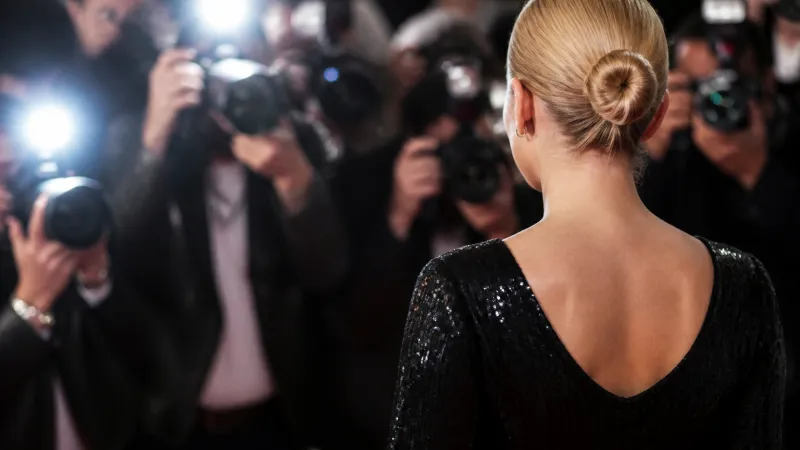
While gowns and suits get most of the attention, accessories often carry just as much trend information. Statement earrings, layered necklaces, structured clutches, or unexpected footwear choices can signal a shift just as clearly as a new silhouette.
Jewelry trends in particular tend to follow their own cycle, moving between minimalist pieces that let the outfit speak for itself and maximalist, head turning statement pieces designed to be photographed from every angle. Hair and makeup trends move alongside these choices, often coordinated to complete a single cohesive concept for the evening.
Because accessories are easier to swap out than a full outfit, they are often where a stylist experiments with a slightly bolder or more unusual choice.
05
How Award Season Shapes the Trend Calendar
Not all red carpets carry the same weight. Award season, which runs across several major ceremonies in the first few months of the year, tends to set the tone for formal fashion trends that then filter down into other events throughout the year.
Because award shows attract intense media coverage and are watched closely by designers, brands, and fashion journalists, the looks that appear there often become reference points for months afterward. A silhouette or color that performs well during award season frequently reappears at summer premieres and later at red carpet events tied to major film releases.
If you want a closer look at how these high stakes events differ from one another, our award season style guide walks through what makes each ceremony's dress code slightly different.
06
Premieres, Galas, and Everyday Press Events
Trend tracking gets more interesting once you compare different types of events. Film premieres often allow for slightly more playful or thematic styling tied to the movie being promoted, while charity galas tend to favor classic elegance that photographs well in formal settings.
Smaller press events and talk show appearances, by contrast, often showcase more casual or trend forward pieces that would feel too relaxed for a major carpet but still reflect what is currently fashionable. Comparing these different settings side by side gives a fuller picture of how a single trend adapts to different levels of formality.
Learning the difference between these event types is covered in more detail in our glossary entry on the premiere, which explains what distinguishes this kind of event from other red carpet occasions.
07
The Influence of Social Media on Trend Speed
Red carpet trends used to spread primarily through print magazines and television coverage, which meant it could take weeks for a look to be widely discussed. Social media has changed that timeline dramatically. Now a single striking outfit can be dissected, memed, and compared to past looks within minutes of the first photos appearing online.
This faster feedback loop also means trends can shift more quickly. A silhouette that photographs well on camera and generates strong engagement online is more likely to be repeated by other celebrities and stylists in the following weeks, creating a tighter cycle between runway, red carpet, and public reaction.
For a deeper look at how this process works, see our guide to celebrity social media updates, which explains how platforms shape the pace of celebrity news and style coverage alike.
08
Reading a Red Carpet Trend: A Quick Reference
The table below summarizes some of the recurring elements to watch for when you are trying to identify whether something is a genuine trend or simply a one off styling choice.
| Element | Sign of a real trend | Sign of a one off look |
|---|---|---|
| Silhouette | Appears on several celebrities within one season | Worn by a single person with no repeats elsewhere |
| Color | Shows up across multiple events in the same period | Isolated to one outfit or one event |
| Accessory style | Repeated across different designers and stylists | Tied to one specific gown or suit |
| Media response | Widely discussed across fashion coverage | Noted briefly without follow up coverage |
Using this kind of checklist can help you separate genuine shifts in red carpet fashion from individual styling experiments that do not go on to influence other looks.
09
Why Trend Spotting Matters Beyond Fashion
Paying attention to red carpet trends is not just about style for its own sake. These choices are closely tied to how celebrities manage their public image, since a well received look can shape perception just as much as a film role or interview. Stylists, publicists, and brands all work together to make sure an outfit supports the message a celebrity wants to send at that moment in their career.
Understanding the people behind these decisions also helps explain why certain celebrities seem to consistently wear flattering, well reviewed looks while others take more risks. Much of this comes down to the working relationship between a star and their styling team, a topic explored further in our piece on the role of celebrity stylists.
How quickly do red carpet trends usually change?
Major silhouette or color trends tend to build gradually over one or two award seasons rather than changing overnight. Smaller details like accessories or hair styling can shift more quickly, sometimes within just a few months.
Do all celebrities follow the same trends?
Not exactly. Some celebrities and their stylists deliberately choose looks that stand apart from current trends to create a more distinctive personal style, while others prefer to stay closely aligned with what is popular that season.
Why do multiple celebrities sometimes wear similar outfits?
This usually happens because several stylists are pulling from the same recent runway collections or working with the same designers, which naturally leads to overlapping silhouettes, colors, or fabrics at major events.
Is red carpet fashion only about personal taste?
Personal taste plays a role, but red carpet choices are also shaped by practical factors like a film's promotional needs, brand partnerships, and the image a celebrity and their team want to project at that stage of their career.
Where can I learn more about the terms used in red carpet coverage?
Our glossary includes definitions for many of the terms you will encounter in style coverage, including entries on the stylist and the red carpet itself.
Explore
Read next
 Celebrity NewsA close look at how celebrity stories actually break, travel across platforms, and get checked for accuracy before you trust them.Red Carpet & StyleAn inside look at red carpet fashion, the stylists behind it, and how award season turns style into a full spectacle.
 Entertainment IndustryA practical look at the business, management, and image strategies working behind the scenes of every celebrity career.