7 min read
How Celebrity News Breaks and Spreads
A behind-the-scenes look at how a single tip, photo, or post turns into a celebrity story that spreads across outlets and social media within hours.
One minute there is nothing. The next, a name is trending everywhere, every outlet has a version of the same story, and your social feed is full of reactions. It can feel like celebrity news simply appears out of thin air, but there is actually a fairly predictable pipeline behind it. Understanding that pipeline helps you read stories more critically and spot the difference between a confirmed fact and an early rumor.
In this guide we walk through the whole journey: where tips come from, who decides what gets published, how photos and videos travel, and why some stories vanish within a day while others dominate headlines for weeks.
01
Where the first spark usually comes from
Almost every celebrity story starts with a source, and sources come in many shapes. Sometimes it is a fan who spots a famous face at a restaurant and posts a blurry photo. Sometimes it is a crew member, assistant, or someone in a celebrity's wider circle who talks, intentionally or not. Other times it begins with official channels: a press release, an announcement on a celebrity's own account, or a scheduled appearance.
Industry insiders, including people working in PR, styling, or production, are also common early sources. They do not always speak on the record, but a quiet tip to a journalist can be enough to start a chain of verification calls. Understanding this mix of sources is part of what we explore in our overview of celebrity news more broadly.
02
The publicist filter
Before a story becomes public, it often passes through a filter most readers never see: the publicist. A publicist manages what information about a client reaches the press and when. Some stories are released deliberately, timed to support a project launch, a tour, or a brand deal. Others are confirmed only after outlets already have enough evidence that a denial would look worse than a simple acknowledgment.
This is why so much celebrity news reads as carefully worded statements rather than detailed explanations. A publicist's job is to protect their client's public image, and that shapes the language long before a story reaches your screen. For more on this side of the industry, see our piece on how celebrities build public image.
03
Paparazzi and the visual proof
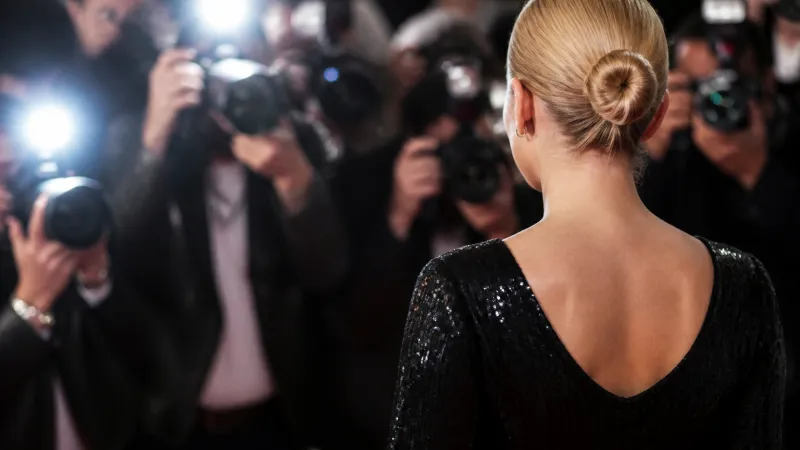
Photos and videos carry a different kind of weight than written tips, because they offer visual proof that is harder to dispute. This is where paparazzi come in. A paparazzi photographer who captures a candid shot, whether it is a new couple walking together or a celebrity leaving a clinic, effectively hands outlets a story that writes itself.
These images are usually sold through agencies rather than directly to a single publication, which is one reason the same photo often appears across many outlets within hours. If you want to understand the economics and ethics behind this industry, our guide to understanding paparazzi culture breaks it down in detail.

04
How outlets decide whether to publish
Not every tip or photo becomes a published story immediately. Reputable outlets typically try to confirm information through at least one additional source, whether that is a second insider, an official statement, or clear photographic evidence. Tabloids and gossip-focused sites sometimes move faster and with looser standards, which is part of why the same story can look very different depending on where you read it.
A tabloid may run a headline based on a single anonymous tip, while a larger entertainment outlet waits for a representative to respond. Neither approach guarantees accuracy, which is exactly why learning to evaluate sources matters. Our guide on fact-checking celebrity rumors offers practical steps for doing this yourself.
| Stage | What typically happens | Approximate timing |
|---|---|---|
| Initial tip or sighting | Fan photo, insider comment, or industry whisper reaches a journalist or spreads online | Minutes to hours |
| Verification attempt | Outlet seeks a second source, official comment, or supporting evidence | Hours to a day |
| First publication | A story goes live, often with cautious or hedged language | Same day |
| Social media pickup | Fans, commentators, and other outlets share and react | Minutes after publication |
| Official response | Publicist statement, denial, or confirmation | Hours to several days |
| Follow-up coverage | Analysis, reactions, related stories, and updates | Days to weeks |
05
The social media acceleration effect
Once a story is public, social media changes its speed entirely. A single post can be screenshotted, quoted, and reposted across platforms faster than any traditional outlet could republish it. This is part of what we explore in our explainer on celebrity social media updates.
What makes social platforms different is that the audience becomes part of the distribution system. A fan account with a large following can push a rumor to millions of people before any major outlet has reported on it. This creates social media buzz that sometimes forces traditional media to cover a story simply because it is already everywhere, even if the original source was unverified.
06
From one post to a global story
The spread pattern usually follows a recognizable shape. First, a small group of highly engaged fans or industry watchers notices something. They share it in niche spaces, such as fan forums or smaller accounts. If the content is compelling enough, it gets picked up by larger aggregator accounts, which exposes it to a much wider audience.
At this point, entertainment outlets usually start writing about the reaction itself, not just the original event. Headlines shift from describing what happened to describing how people are responding, which keeps the story alive even without new facts. This cycle is one reason stories about a celebrity feud or a sudden scandal can dominate feeds for days even when very little new information is actually being reported.
07
Why some stories die quickly and others explode
Several factors decide whether a story has staying power. Stories tend to spread further when they involve a well-known name, touch on relationships or conflict, include visual evidence, or connect to something already in the news. A minor update about a lesser-known actor's schedule rarely travels far, while a photo suggesting a surprising relationship can dominate headlines for a week.
Timing matters too. A story that breaks during award season or around a major premiere often gets amplified simply because entertainment media attention is already heightened. This is part of why coverage tends to cluster around key calendar moments, something we cover in our award season style guide.

08
The role of official channels and exclusives
Not all celebrity news comes from leaks or paparazzi. Many stories are shared deliberately through official statements, interviews, or an exclusive interview granted to a specific outlet. This is a strategic choice: giving one outlet first access can generate a wave of coverage that benefits both the celebrity and the publication.
Similarly, announcements tied to a new project, a brand ambassador deal, or an upcoming premiere are usually timed carefully to maximize attention. These are not accidental leaks but planned moments designed to control the narrative rather than react to it.
09
Reading celebrity news with a critical eye
Knowing this pipeline changes how you read a story. A piece with only anonymous sources and no official comment is still in the early, unverified stage. A story confirmed by a representative or supported by clear evidence has moved further along. A headline built entirely around reactions, rather than facts, is often more about sustaining engagement than reporting anything new.
If you want to go deeper into separating fact from speculation, our guide on fact-checking celebrity rumors is a useful next step, as is our broader look at the entertainment industry and how it operates behind the scenes.
Frequently asked questions
Why do different outlets report the same story differently?
Outlets have different standards for verification, different relationships with sources, and different editorial priorities. A tabloid may publish based on a single tip, while a larger outlet waits for confirmation, which explains the variation in tone and detail.
How fast can a celebrity story spread online?
Once a post gains traction, it can reach a very wide audience within minutes, especially if it is shared by accounts with large followings. Traditional outlets often follow rather than lead once this happens.
Do celebrities always know when a story is about to break?
Not always. Some stories are planned and timed by their team, but others come from paparazzi, leaks, or fan observations that catch everyone, including the celebrity's own entourage, off guard.
Is a story true just because many outlets are reporting it?
Not necessarily. Many outlets often pick up the same original report, which can create an impression of widespread confirmation even if the underlying source was never independently verified.
Why do some stories get an official denial while others do not?
Teams usually weigh whether responding will calm a story or give it more attention. Minor rumors are often ignored, while stories with real reputational impact are more likely to get a direct response.
Explore
Read next
 Celebrity NewsA close look at how celebrity stories actually break, travel across platforms, and get checked for accuracy before you trust them.Red Carpet & StyleAn inside look at red carpet fashion, the stylists behind it, and how award season turns style into a full spectacle.
 Entertainment IndustryA practical look at the business, management, and image strategies working behind the scenes of every celebrity career.