7 min read
Award Season Style Guide: What to Expect on the Red Carpet
Award season brings months of red carpet fashion moments. Here is what shapes the looks you see, from stylist strategy to social media buzz.
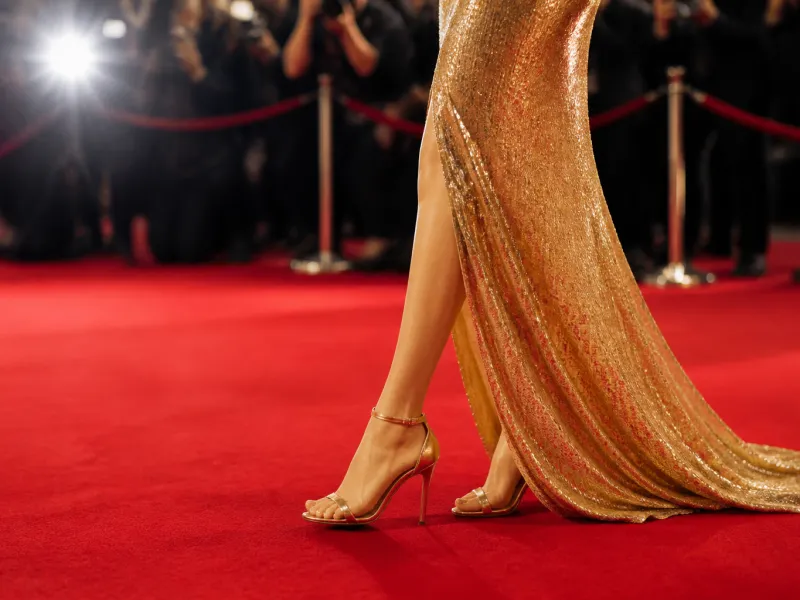
Every year, a stretch of months turns red carpets into the biggest fashion stage on the planet. Award season brings a run of high profile ceremonies where actors, musicians, and other public figures step out in looks that get dissected, screenshotted, and talked about for days. If you want to actually understand what you are seeing rather than just scrolling past it, it helps to know how the whole system works.
This guide walks through the major ceremonies, the people behind the looks, and the trends that tend to repeat year after year. By the end, you will have a clearer picture of why certain styles dominate a given season and what to pay attention to the next time a major show rolls around.
01
What Counts as Award Season
Award season generally refers to the period when film, television, and music industries hand out their biggest honors. It typically runs from late autumn through early spring, though exact dates shift depending on the calendar year and the organizations involved.
During this stretch, several major ceremonies happen in close succession. That compressed timeline matters for fashion, because stylists and designers are often working on multiple looks for the same client within a matter of weeks. It also means trends can build momentum quickly: a silhouette or color that appears at one early ceremony often reappears, in a slightly different form, by the time the bigger shows arrive.
For a deeper look at how these terms and events fit together, the award season glossary entry is a useful starting point.
02
The Major Ceremonies and Their Style Personality
Not every award show has the same fashion tone. Some lean formal and traditional, others allow more experimentation, and a few sit somewhere in between. Knowing the general personality of each event helps explain why a look that works at one ceremony might feel out of place at another.
Film award ceremonies tend to favor classic elegance, with an emphasis on tailoring, structure, and recognizable fashion house pieces. Music award shows often give more room for bold, statement making outfits, since the audience and voting bodies tend to reward originality over restraint. Television focused ceremonies frequently sit in between, mixing polished classic looks with a few more playful choices.
| Type of ceremony | Typical style tone | What to watch for |
|---|---|---|
| Film industry awards | Formal, classic, often monochrome or jewel tones | Tailored gowns, structured suits, heritage fashion house pieces |
| Music industry awards | Bold, experimental, statement driven | Unusual silhouettes, standout accessories, strong personal branding |
| Television industry awards | Polished but slightly more relaxed | A mix of classic gowns and modern, trend forward pieces |
| Industry guild and critics awards | Understated, often more casual | Daytime appropriate looks, simpler styling, fewer statement pieces |
03
How Trends Get Set Before the Red Carpet Even Begins
The outfits you see on the carpet are rarely spontaneous decisions made the same day. Most looks are planned weeks, sometimes months, in advance. Stylists work closely with fashion houses to secure specific pieces, often before those pieces have even been shown publicly.
This early planning is part of why certain colors or fabrics seem to dominate a whole season. Fashion houses release their collections on a schedule that lines up with award season, and stylists pull from those collections when building options for their clients. If several stylists are drawn to the same silhouette or palette that season, you end up with a visible trend across multiple ceremonies.
Fittings, alterations, and backup options are also part of the process. It is common for a stylist to prepare more than one outfit for a single event in case of last minute changes, whether due to comfort, a scheduling shift, or simply a change of mind.
04
The Role of Stylists in Shaping the Final Look
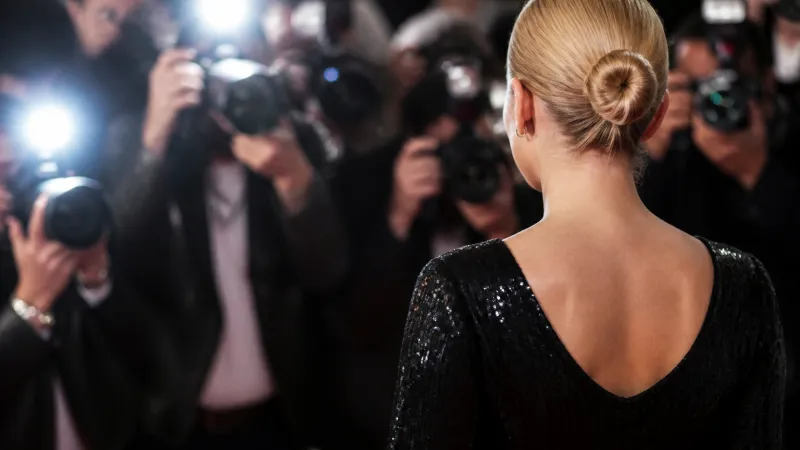
Behind almost every award season outfit is a stylist making dozens of small decisions that add up to the final result. Choosing the dress or suit is only part of the job. Stylists also coordinate with hairstylists and makeup artists, select jewelry, and think about how a look will photograph under the specific lighting of a given event.
Many stylists build long term relationships with their clients, which means they also think about an individual's overall public image over time rather than just one single appearance. A look that works well for one person might feel wrong for another, even if the garment itself is nearly identical, simply because of how it fits into that person's established style history.
If you want to understand this role in more depth, The Role of Celebrity Stylists breaks down how these professionals operate and why their choices carry so much weight. The stylist glossary entry also offers a quick definition if you need a refresher.
05
Reading the Red Carpet: Color, Silhouette, and Theme
Once you start paying attention, red carpet fashion follows patterns that are easier to spot than you might expect. Color is often the first thing people notice, and certain shades tend to cluster in a given season based on what fashion houses have been promoting.
Silhouette is the next layer. Some years favor structured, fitted shapes, while others lean toward flowing, relaxed fabrics. These shifts usually track with broader fashion trends happening outside the red carpet world, just translated into formalwear.
Themes can also emerge from cultural moments, a particular film's aesthetic, or even tributes to past decades. When you notice several outfits across different ceremonies sharing a similar mood, it is rarely a coincidence. For a closer breakdown of how to spot and interpret these patterns, Decoding Red Carpet Fashion Trends is a helpful companion piece to this guide.
06
Accessories and the Details That Often Get Overlooked
While the dress or suit usually gets the most attention, accessories often carry just as much intention behind them. Jewelry choices can be tied to a specific fashion house partnership, a personal milestone, or simply what complements the outfit's neckline and color.
Shoes matter more than people often assume, especially for comfort during long evenings that involve walking, posing, and sitting through lengthy ceremonies. Bags are less common at these events, since most attendees are not carrying much with them, but when they do appear, they tend to be small and decorative rather than practical.
Hair and makeup choices round out the full look, and these decisions are typically made in coordination with the stylist to ensure everything feels cohesive rather than like separate pieces competing for attention.
07
Menswear on the Red Carpet
Menswear has become a much more visible part of award season coverage in recent years. What used to be a fairly predictable rotation of black suits has opened up to more color, texture, and individual expression.
That said, classic tailoring still forms the backbone of most menswear looks at formal ceremonies. The variation tends to show up in details: unconventional colors, textured fabrics, statement jewelry, or a slightly less traditional cut. At music focused events, there is generally more freedom to experiment with bolder choices.
As with womenswear, the fit of a suit matters enormously to how a look is received, and that fit is almost always the result of careful tailoring rather than an off the rack purchase.
08
How Social Media Shapes Award Season Coverage Today
The way award season fashion gets consumed has changed significantly. Red carpet arrivals are now covered in near real time, with images and commentary spreading across social platforms within minutes of someone stepping out of a car.
This immediacy has changed how looks are planned and discussed. Stylists and their clients are aware that an outfit will be dissected, compared, and reacted to almost instantly, which adds another layer of consideration to the planning process. It also means public reaction can shape how a particular style or designer is perceived well beyond the night of the event itself.
If you are curious about how this online reaction cycle works in more detail, Celebrity Social Media Updates Explained and How Celebrity News Breaks and Spreads both offer useful context on how quickly these moments travel and why they stick in public memory the way they do.
Frequently Asked Questions
When does award season typically start and end?
Award season generally spans late autumn through early spring, though exact dates vary each year depending on the scheduling of individual ceremonies and organizations.
Why do some outfits get worn to more than one ceremony?
Because so many events happen within a short window, it is common for stylists to repurpose or slightly adjust pieces across appearances, especially when a particular fashion house partnership is involved.
Do stylists choose the outfit alone, or does the client have input?
Both parties are typically involved. Stylists usually present several options, and the final decision reflects a mix of the client's comfort, personal taste, and the stylist's professional judgment about what will work on camera.
Why does menswear get less red carpet attention than womenswear?
Menswear has historically followed more uniform conventions, which made it less visually varied for coverage. That gap has been narrowing as more experimentation appears in tailoring, color, and accessories.
How can I tell if a red carpet trend will last beyond one season?
Trends that repeat across multiple ceremonies and multiple stylists in the same season are more likely to carry into the following year, especially if they also appear in that season's major fashion collections.
Explore
Read next
 Celebrity NewsA close look at how celebrity stories actually break, travel across platforms, and get checked for accuracy before you trust them.Red Carpet & StyleAn inside look at red carpet fashion, the stylists behind it, and how award season turns style into a full spectacle.
 Entertainment IndustryA practical look at the business, management, and image strategies working behind the scenes of every celebrity career.