6 min read
Fact-Checking Celebrity Rumors: How to Separate Truth From Gossip
Celebrity rumors travel faster than facts. Here is how reporters and savvy fans actually check whether a story is true before believing or sharing it.
A single screenshot, a blurry photo or an anonymous tip can turn into a worldwide headline within hours. Before you believe the latest story about your favourite star, it helps to know how professionals and experienced fans actually separate fact from fiction. Verifying celebrity news is not about being cynical. It is about asking the right questions before passing information along.
01
Why Celebrity Rumors Spread So Easily
Celebrity gossip moves fast because it feeds on curiosity and emotion. A surprising claim about a breakup, a feud or a secret project grabs attention long before anyone has time to check the details. Readers want to be first to know, and that urgency often outweighs caution.
Social platforms make the problem worse. A single post can be screenshotted, translated and reshared thousands of times before the original context disappears. By the time a story reaches a casual reader, it may have passed through several unreliable retellings.
Financial incentives also play a role. Pages and outlets that publish dramatic claims quickly tend to attract more clicks, even if the information later turns out to be wrong. This creates pressure to publish first and verify later, which is exactly the habit careful readers need to resist.
02
The First Red Flags of a False Rumor
Experienced readers learn to notice patterns that suggest a story might not hold up. Vague sourcing is one of the clearest warning signs. Phrases like "insiders say" or "a source close to the couple" without any further detail should raise questions rather than confidence.
Another red flag is a story that appears only on one obscure account or website with no other outlet picking it up. Genuine celebrity news, especially anything significant, is usually confirmed or at least reported by multiple independent sources within a short time.
Timing can also be revealing. Rumors that conveniently surface right before an album release, a film premiere or an award show sometimes serve a promotional purpose rather than reflecting an unplanned leak. That does not automatically make them false, but it is worth keeping in mind.
03
How Professional Journalists Verify a Story
Reputable entertainment journalists rarely publish a claim based on a single unverified post. They typically look for at least two independent sources, ideally people with direct knowledge of the situation rather than secondhand accounts.
Many reporters also wait for a response from a publicist or representative before running a story, even if that means being slightly slower than less careful outlets. A brief "no comment" still tells readers something, while silence followed later by a denial or confirmation adds important context.
Understanding how celebrity news breaks and spreads helps explain why some stories appear first on fan accounts and only later get picked up by established outlets. The path a story takes often reveals how much verification has actually happened.
04
The Power and Limits of Official Statements
An official statement from a celebrity, their team or their publicist carries real weight, but it is not automatically the final word. Statements are carefully worded, and sometimes they address only part of a rumor while leaving other details unanswered.
It is worth reading these statements closely. A denial that focuses on one specific detail, such as the location of an event, does not necessarily deny the broader claim. Journalists trained in fact-checking often highlight exactly what has and has not been addressed.
Silence from a representative is sometimes mistaken for confirmation. In reality, teams frequently choose not to comment on personal matters regardless of whether a rumor is true, simply to avoid feeding further speculation.
05
Digital Tools Fans and Reporters Both Use
Reverse image searches are one of the simplest and most effective tools available to anyone trying to verify a photo. They can reveal whether an image is recent, taken out of context, or even years old and unrelated to the current story.
Checking metadata and original posting dates on social platforms helps too. A video that claims to show a recent event but was actually uploaded months earlier is a common source of confusion, especially once it starts circulating again.
Following verified accounts directly, rather than relying on secondhand reposts, reduces the risk of misinformation. Our guide to celebrity social media updates explains how to tell an authentic post from an impersonation or an edited screenshot.
06
Reliable Signals Versus Warning Signs
It helps to have a quick mental checklist when a new story appears. The table below summarises signals that generally support a story's credibility compared with signals that suggest more caution is needed.
| Signal | Suggests reliability | Suggests caution |
|---|---|---|
| Number of sources | Multiple independent outlets confirm it | Only one account or page is reporting it |
| Sourcing language | Named source or official confirmation | "Insider," "source close to," no names |
| Response from team | Publicist comments or confirms details | No response, or claims made without contact attempt |
| Timing | Reported as events unfold naturally | Surfaces right before a promotional event |
| Visual evidence | Verified, dated, original footage or photos | Recycled images, no clear date or origin |
07
The Role of Publicists, Agents and Representatives
Representatives are often the quickest way to confirm or deny a story, but they also have their own priorities. Protecting a client's reputation is part of the job, which means responses are sometimes diplomatic rather than fully detailed.
Some teams choose to let a rumor fade naturally rather than draw more attention to it by issuing a formal denial. This strategic silence can be misread by readers as an admission, when it is really a calculated decision about public image.
Understanding this dynamic is easier once you know more about talent management and agencies, since much of the communication around a rumor passes through these teams before it reaches journalists or the public.
Explore
Read next
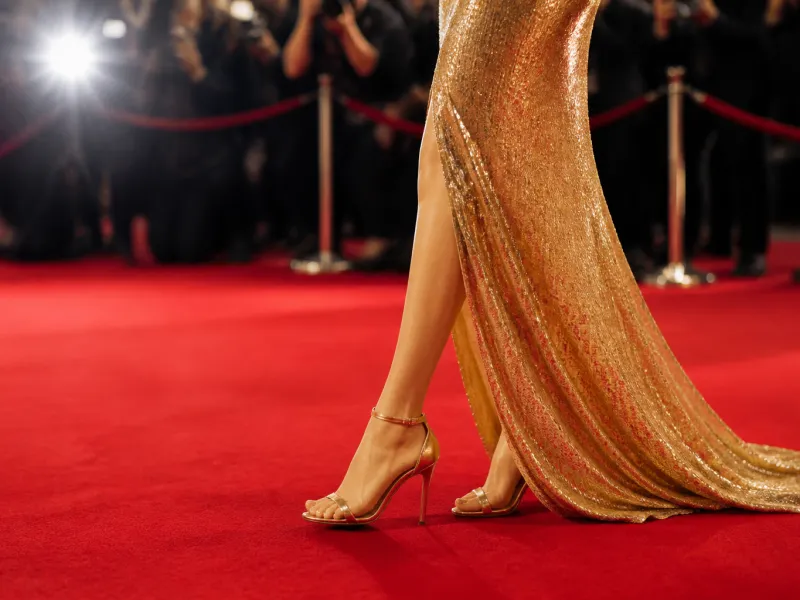
 Celebrity NewsA close look at how celebrity stories actually break, travel across platforms, and get checked for accuracy before you trust them.Red Carpet & StyleAn inside look at red carpet fashion, the stylists behind it, and how award season turns style into a full spectacle.
 Entertainment IndustryA practical look at the business, management, and image strategies working behind the scenes of every celebrity career.
08
Social Media: Accelerant and Fact-Checker in One
Social platforms spread rumors at incredible speed, but they also give fans and journalists tools to challenge false claims almost as quickly. A single reply pointing out an inconsistency or an old date can slow a story's momentum considerably.
Comment sections and community notes features sometimes surface corrections faster than traditional outlets can publish them. This grassroots fact-checking has become an important part of how misinformation gets challenged online.
At the same time, the sheer volume of content makes it easy for corrections to go unnoticed while the original false claim keeps circulating. Reading beyond the headline and checking whether a correction or update has been added is a simple habit that makes a real difference. Learning about paparazzi culture also helps explain why certain photos appear without context in the first place.