7 min read
Understanding Paparazzi Culture
A look at how paparazzi culture developed, how photographers work today, and the ethical questions that still surround celebrity photography.
Few topics spark as much debate in the entertainment world as paparazzi culture. Love it or hate it, the candid photograph has become one of the driving forces behind celebrity news, shaping how we see the people we follow and how those people manage their public lives. Understanding where this culture came from and how it works today helps you read the headlines with a more critical eye.
This guide walks through the history, the methods, the money, and the ethics of celebrity photography, so you can better understand what sits behind the images that fill your feed.
01
What Paparazzi Culture Actually Means
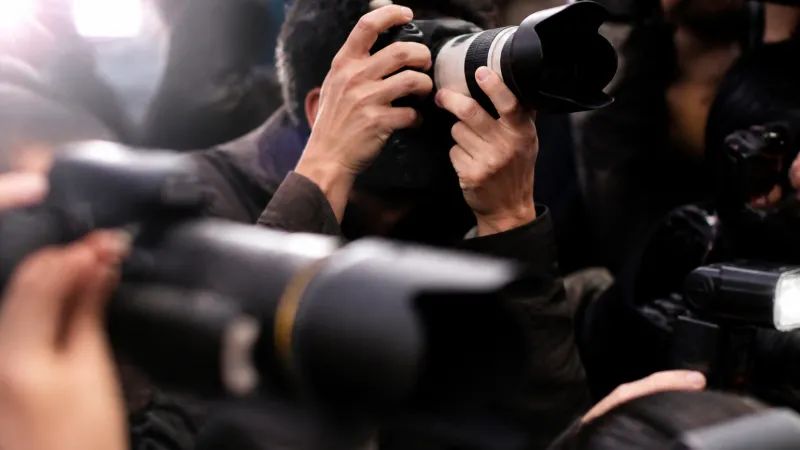
The term paparazzi describes photographers who specialise in capturing candid, often unplanned images of public figures. Unlike official event photographers, they work outside formal settings: on streets, outside restaurants, near airports, and anywhere a famous face might appear unscripted.
Paparazzi culture refers to the entire ecosystem built around this practice. It includes the photographers themselves, the agencies that distribute their work, the publications that buy it, and the audience that keeps demanding more. You can read a concise definition on our paparazzi glossary page if you want a quick reference point.
02
A Brief History of Celebrity Photography
Candid celebrity photography is not a new phenomenon. It dates back to the early twentieth century, when photographers began following film stars outside studio-controlled events. The word paparazzo itself gained popularity after a 1960 Italian film featured a news photographer with that name, and the term stuck as shorthand for anyone chasing candid celebrity shots.
Through the decades, the practice grew alongside the entertainment industry itself. As film, then television, then tabloid magazines expanded their reach, demand for unposed images of stars grew with it. Readers wanted to see celebrities as real people, not just polished performers, and that curiosity created a market for photographers willing to capture everyday moments.
By the late twentieth century, dedicated paparazzi agencies had formed in cities with large entertainment industries. These agencies coordinated photographers, managed distribution deals with magazines, and turned candid photography into an organised business rather than a handful of freelancers chasing luck.
03
How Paparazzi Work Today
Modern paparazzi rely on a mix of patience, research, and networking. Many photographers build relationships with drivers, assistants, restaurant staff, or other industry insiders who might tip them off about a celebrity's location. Others simply stake out known hotspots: airports, gyms, school pickup lines, or favourite coffee shops.
Technology has changed the job considerably. Long lenses allow photographers to capture images from a distance, reducing direct confrontation. Digital cameras and instant file transfer mean a photo taken in the morning can be sold and published within hours. Some photographers also monitor celebrity social media updates for clues about upcoming public appearances or travel plans.
It is worth noting that not every candid photo comes from an uninvited photographer. Some images are the result of a planned arrangement between a celebrity's team and a photographer, designed to look spontaneous while actually serving a public image strategy. This blurred line between genuine candid shots and staged ones is one of the more interesting aspects of the industry.
04
The Business Side: Who Buys These Photos
Paparazzi photography is a commercial enterprise. Photographers or the agencies representing them typically sell images to magazines, tabloids, and online outlets. Pricing depends heavily on exclusivity, the celebrity involved, and the news value of the moment. A first photo of a newborn, an engagement, or an unexpected public appearance can be worth considerably more than a routine grocery store shot.
Many outlets that rely on this material fall into the category of tabloid publications, though plenty of mainstream entertainment sites also license candid images. The following table gives a simplified overview of how different types of celebrity photography typically work.
| Type of photo | How it is obtained | Typical use |
|---|---|---|
| Candid street photo | Unplanned, photographer spots celebrity in public | News sites, tabloids, social media |
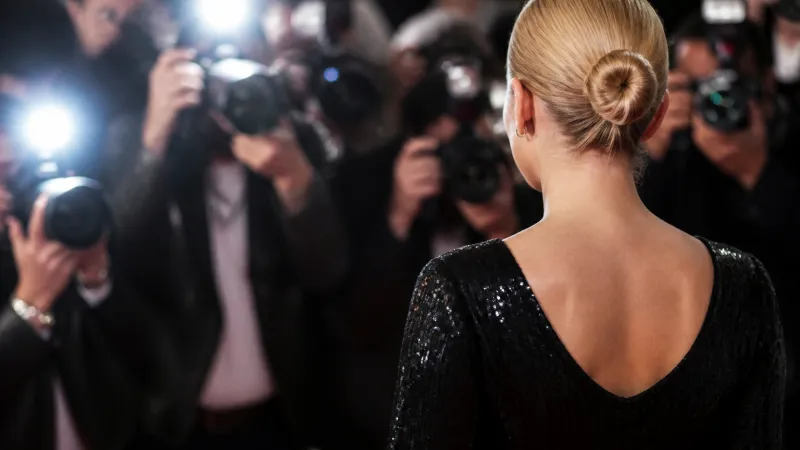
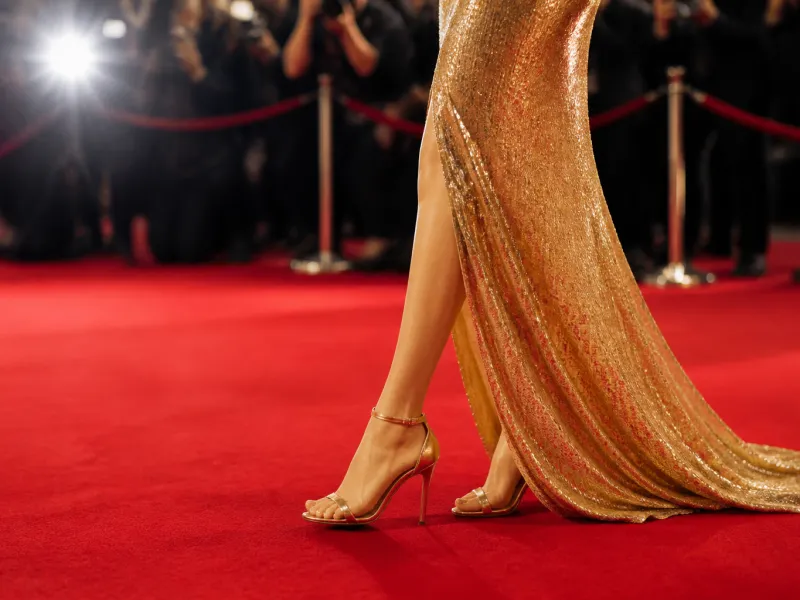
| Red carpet photo | Official event, credentialed photographers | Fashion coverage, magazine spreads |
| Staged candid | Arranged quietly between team and photographer | Public image management, brand visibility |
| Self-shared photo | Posted directly by the celebrity | Social media, personal branding |
05
The Ethical Debate
Few aspects of celebrity culture generate as much disagreement as the ethics of paparazzi photography. Supporters of the practice argue that public figures accept a certain loss of privacy as part of their career, and that candid photography offers audiences an honest glimpse behind curated public images. They also point out that celebrity news, including candid photography, drives genuine public interest and supports an entire industry of journalists, editors, and outlets.
Critics raise valid concerns about harassment, safety, and the mental toll of being constantly photographed without consent. Reports of aggressive photographer behaviour, particularly around children of celebrities or during private moments like hospital visits or funerals, have fuelled calls for stricter boundaries. Several high profile incidents over the years have pushed the conversation toward tighter restrictions in certain jurisdictions.
There is no simple resolution to this debate. Most observers agree that some candid photography sits within reasonable bounds of public interest, while more invasive tactics cross into harassment. Where exactly that line sits remains a matter of ongoing discussion among journalists, lawmakers, and the public.
06
Legal Boundaries and Grey Areas
Laws governing paparazzi photography vary significantly by country and even by region within a country. Some places have introduced specific restrictions limiting how close photographers can get to a subject, particularly when children are involved. Other jurisdictions rely on broader privacy and harassment laws that were not originally written with celebrity photography in mind.
Public spaces generally offer fewer legal protections, meaning a celebrity walking down a public street has limited ability to stop someone photographing them. Private property is a different matter entirely, and trespassing to get a shot can carry legal consequences for the photographer. This patchwork of rules means enforcement is inconsistent, and many disputes are settled through civil claims rather than clear statutory outcomes.
07
How Celebrities and Their Teams Respond
Public figures and their representatives have developed various strategies to manage the presence of paparazzi in their lives. Some choose to work with photographers rather than against them, coordinating appearances that satisfy public interest while limiting more invasive pursuit. This approach ties closely into broader public image building strategies used throughout the industry.
Others pursue legal action when photographers cross clear lines, particularly in cases involving children or private property. Publicists often play a key role here, negotiating with outlets, issuing statements, and sometimes working to prevent certain images from being published at all.
A growing number of celebrities have also turned to direct social media posting as a way to control their own narrative, reducing reliance on paparazzi images for public visibility. By sharing their own photos and updates, they can shape how they're seen without waiting for a candid shot to surface.
08
The Rise of Social Media and Changing Dynamics
The growth of social media has reshaped paparazzi culture in meaningful ways. Celebrities now have direct channels to reach fans, which has reduced some dependence on traditional candid photography for maintaining visibility. At the same time, social media has created new opportunities for amateur photographers and fans to capture and share candid moments, expanding the pool of people effectively acting like paparazzi.
This shift has also changed how quickly images spread. A single photo taken on a smartphone can circulate widely within minutes, long before traditional agencies or publications get involved. Understanding this faster news cycle is useful background if you want to dig deeper into how celebrity news breaks and spreads across different platforms.
Despite these changes, professional paparazzi photography has not disappeared. High value images, particularly exclusive shots of major life events, still command strong interest from publications and audiences alike, keeping the traditional side of the industry active alongside newer social media driven dynamics.
09
Reading Paparazzi Photos Critically
As a reader, it helps to approach candid celebrity photos with a degree of healthy scepticism. Ask whether an image looks genuinely spontaneous or whether it seems arranged for a particular narrative. Consider the source publishing the photo and whether it has a reputation for careful sourcing or for sensationalised claims.
This kind of critical reading connects closely with broader fact-checking of celebrity rumors, since photos are often used to support claims that may or may not be accurate. A single image rarely tells the full story, and context matters just as much as the picture itself.
Frequently Asked Questions
Is paparazzi photography legal?
In most public spaces, photographing someone, including celebrities, is generally legal. Rules become stricter around private property, harassment, and situations involving children, where specific laws may apply depending on the country or region.
Do celebrities ever arrange paparazzi photos themselves?
Yes, this happens more often than many people realise. Some candid looking photos are the result of quiet arrangements between a celebrity's team and a photographer, designed to maintain public visibility while appearing spontaneous.
Why do magazines and websites pay for paparazzi photos?
Candid images often generate strong reader interest, particularly when they capture exclusive or unexpected moments. Publications license these photos because audience demand for authentic looking celebrity content remains high.
How has social media changed paparazzi culture?
Social media has given celebrities a direct way to share their own images, reducing some reliance on traditional candid photography. At the same time, it has expanded the number of people capable of capturing and sharing candid moments, from fans to passersby.
What is the difference between paparazzi and red carpet photographers?
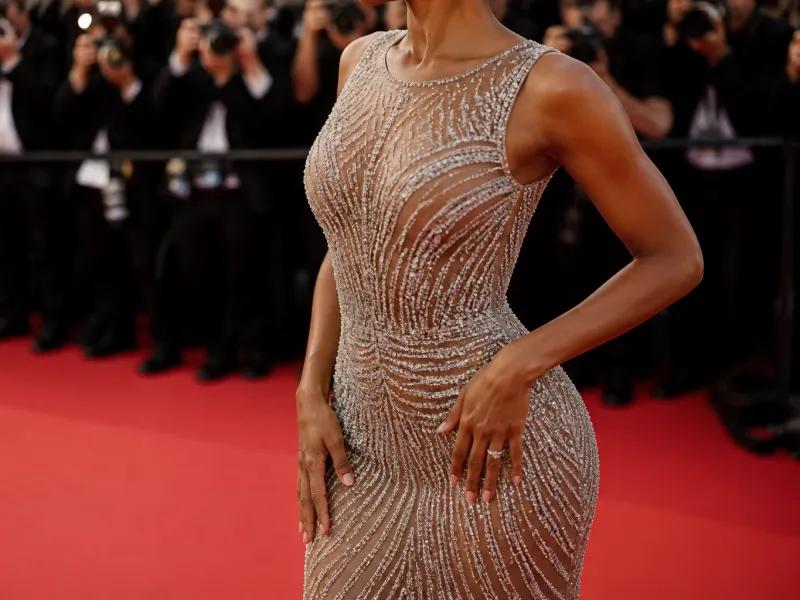
Red carpet photographers work at official, credentialed events where images are planned and expected. Paparazzi typically capture unplanned moments outside formal settings. You can learn more about event photography in our guide to red carpet style.
Explore
Read next
 Celebrity NewsA close look at how celebrity stories actually break, travel across platforms, and get checked for accuracy before you trust them.Red Carpet & StyleAn inside look at red carpet fashion, the stylists behind it, and how award season turns style into a full spectacle.
 Entertainment IndustryA practical look at the business, management, and image strategies working behind the scenes of every celebrity career.