6 min read
The History of Iconic Red Carpet Moments
From Old Hollywood glamour to viral Instagram moments, the red carpet has always reflected the culture around it. Here is how it got here.
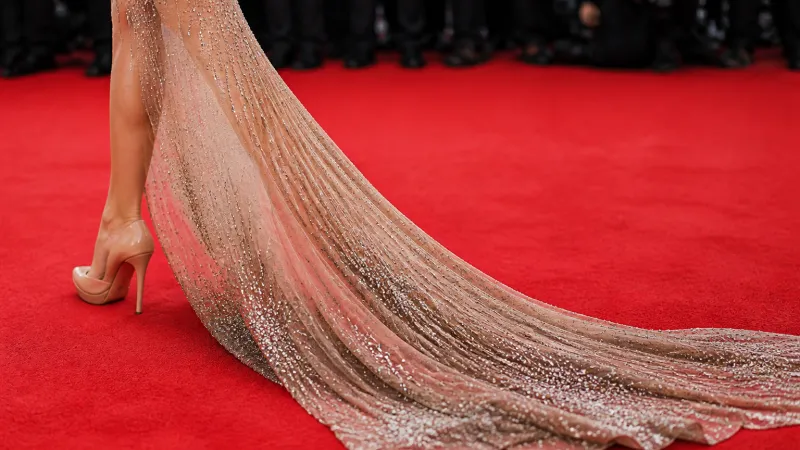
Long before smartphones and livestreams, the red carpet was already doing what it does best: turning a short walk into a moment people would talk about for years. What started as a simple way to usher guests into a venue slowly became one of the most watched stages in entertainment.
Looking back at its history tells us something bigger than fashion trends. It shows how celebrity culture, media coverage and public taste have shifted together, decade after decade. Let's walk through how we got from quiet premieres to the fully choreographed spectacles we see today.
01
Where the Red Carpet Tradition Began
The idea of rolling out a red carpet for honoured guests goes back centuries, long before cinema existed. It was originally a symbol of status, used to mark the arrival of royalty or dignitaries at formal events.
Hollywood borrowed that symbolism in the early twentieth century, when film premieres started using a literal red carpet to welcome stars and build a sense of occasion. The carpet itself was less about fashion at first and more about creating a clear, photogenic path from car to cinema door.
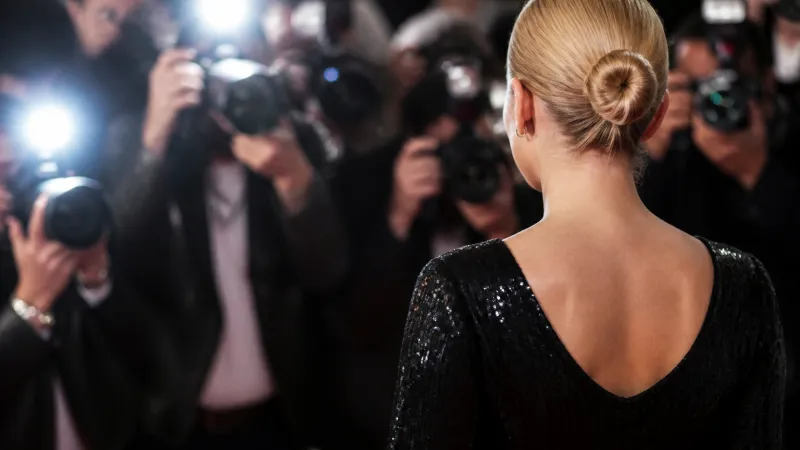
Photographers quickly realised that this short walk was the perfect opportunity to capture stars looking their best, away from studio sets and posed portraits. That practical setup laid the groundwork for everything that followed.
02
The Golden Age of Hollywood Glamour
By the 1930s and 1940s, studios understood that a star's public appearance was part of the product they were selling. Actresses arrived at premieres in gowns designed to photograph beautifully in black and white, with an emphasis on elegance, structure and polish.
This era cemented the idea that a red carpet appearance was a performance in itself, separate from the film being promoted. Studios often had a hand in dressing their stars, an early sign of the coordinated public image building that still shapes celebrity careers today.
Fans who couldn't attend premieres still got to experience them through newspaper photographs and newsreels, which meant a single well chosen gown could reach a huge audience far beyond the cinema itself.
03
The 1960s and 1970s: A Shift Toward Individuality
As fashion loosened up in wider culture, so did the red carpet. Stars began experimenting with colour, silhouette and personal flair instead of sticking to the polished uniformity of earlier decades.
This period introduced a more personal kind of star power. Instead of looking like variations on the same glamorous template, celebrities started using their appearances to express something about who they were, not just what studio they represented.
It was also around this time that award shows started growing into major televised events, which meant red carpet looks were being seen live by millions of viewers at home, not just reported on afterwards.
04
The 1980s and 1990s: Bold Statements and Growing Media Attention
The 1980s brought bigger shapes, bolder colours and a willingness to take real fashion risks. Shoulder pads, dramatic sleeves and statement jewellery became part of the red carpet vocabulary, often mirroring what was happening on the runways.
The 1990s then introduced a different kind of energy, with sleeker silhouettes and a new wave of designer partnerships. This decade is widely remembered for a few truly unforgettable moments, including bold, unconventional choices that generated headlines well beyond the entertainment pages.
Importantly, this is also when fashion commentary around red carpet events became a genre of its own. Magazines and television segments began reviewing and ranking looks, turning the carpet into an ongoing conversation rather than a single night's event.
05
A Few Moments That Shaped the Conversation
Certain red carpet appearances have stayed in the public memory for decades, not just because of the outfit itself, but because of what it represented at that cultural moment. The table below highlights a few well known examples and why they remain reference points today.
| Decade | What Made It Memorable | Why It Mattered |
|---|---|---|
| 1960s | Simple, elegant silhouettes replacing heavy embellishment | Signalled a shift toward understated glamour and personal style |
| 1990s | Unconventional, headline grabbing designer choices | Showed that red carpet fashion could spark debate and cultural commentary |
| 1990s | A widely discussed personal style statement after a major life change | Demonstrated how fashion choices can carry symbolic, emotional weight |
| 2000s | Increased use of professional styling teams for award season looks | Marked the rise of the stylist as a key behind the scenes player |
These moments are a reminder that the most talked about looks rarely succeed by accident. They tend to combine good timing, genuine personality and a willingness to stand out from the crowd.
06
The Rise of the Professional Stylist
As red carpet coverage grew more intense, celebrities increasingly turned to professionals to help plan their looks well in advance. This is when the modern role of the stylist really took shape, working closely with designers, publicists and the celebrities themselves.
You can read more about how this behind the scenes collaboration works in our guide to celebrity stylists, but the short version is this: very few major red carpet looks today happen without a team thinking through fit, message and timing months ahead.
This professionalisation changed the red carpet from a spontaneous fashion moment into a carefully planned marketing opportunity, both for the celebrity and for the designers hoping to dress them.
07
Award Season and the Red Carpet as Media Event
Award season turned the red carpet into appointment viewing. Pre-show broadcasts, dedicated fashion segments and extensive photography all grew around major ceremonies, giving outfits a life that stretched far beyond the event itself.
Our award season style guide looks at how this annual cycle works today, but its roots trace directly back to the growing television coverage of the 1970s and 1980s, when networks realised viewers were just as interested in what stars wore as in who won.
This shift also increased the pressure on celebrities and their teams, since a single appearance could now be analysed, compared and critiqued by a huge audience in near real time.
08
The Digital Age and Instant Reaction
Social media changed the pace of red carpet culture completely. Looks that once took a day or two to reach the public through print media are now shared, screenshotted and discussed within minutes of a celebrity stepping out of the car.
This instant feedback loop has made red carpet appearances feel more interactive, with fans weighing in directly rather than just reading critics' opinions. For a closer look at how this plays out, see our piece on celebrity social media updates.
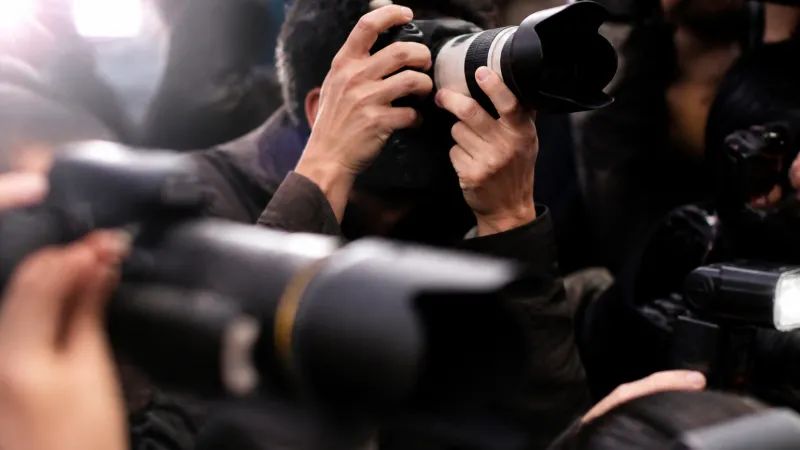
Photographers remain central to this process too. The relationship between celebrities and the people capturing these images is a story in itself, one we explore further in our guide to paparazzi culture.
09
What the Red Carpet Tells Us About Celebrity Culture
Tracing the history of red carpet fashion is really a way of tracing how celebrity culture itself has evolved. Each era's defining looks reflect the technology, media habits and public mood of their time, from newsreel glamour to live television to instant online sharing.
If you want to understand how today's red carpet looks come together, from the designer selection process to the final fitting, our guide to decoding red carpet fashion trends breaks down the modern side of this tradition in more detail.
Frequently Asked Questions
Why is the red carpet always red?
Red has long been associated with status and importance, which is why it was traditionally used to welcome honoured guests. Hollywood adopted this existing symbolism rather than inventing it.
When did red carpet fashion become a major news topic?
Dedicated fashion commentary around red carpet events grew significantly from the 1980s and 1990s onward, as award shows expanded their television coverage and magazines began reviewing looks in detail.
Who decides what a celebrity wears on the red carpet?
Most major looks today are the result of close collaboration between the celebrity, their stylist and sometimes the designer, planned well before the actual event.
Has the red carpet changed because of social media?
Yes. Social media has made reactions to red carpet looks almost instant, which has increased both the visibility and the pressure surrounding each appearance.
Are red carpet looks always planned in advance?
Most are, especially for major award shows, though some looks are finalised closer to the event due to scheduling, availability or last minute changes in styling.
Explore
Read next
 Celebrity NewsA close look at how celebrity stories actually break, travel across platforms, and get checked for accuracy before you trust them.Red Carpet & StyleAn inside look at red carpet fashion, the stylists behind it, and how award season turns style into a full spectacle.
 Entertainment IndustryA practical look at the business, management, and image strategies working behind the scenes of every celebrity career.