
6 min read
How Reality TV Creates Modern Celebrities
Reality television has rewritten the rules of fame, turning everyday people into household names almost overnight. Here is how that transformation actually happens.
Reality television has become one of the most reliable factories for producing new celebrities. Unlike traditional paths to fame that required years of training, auditions, or lucky breaks on film sets, reality TV offers a direct route from anonymity to national recognition in a matter of weeks. Understanding how this process works helps explain why so many familiar faces in gossip columns and social feeds started out as ordinary people with a camera crew following them around.
This shift has changed the entertainment industry in lasting ways, blurring the line between performer and private citizen. Reality stars often become just as recognisable as trained actors or musicians, even though their rise to fame followed a completely different formula.
01
The Reality TV Formula for Creating Stars
Reality shows are built around a simple but effective idea: put interesting people in compelling situations and let the cameras capture whatever unfolds. Dating shows, competition formats, and docu-soaps all rely on casting participants who are photogenic, expressive, and willing to share their lives on screen.
Producers look for contestants who naturally create drama, humour, or emotional moments. These qualities make for good television, and they also happen to be the same traits that help a person become a reality TV star once the show airs. The format does much of the heavy lifting that a traditional publicity campaign would otherwise require.
02
From Anonymity to A-List: The Transformation Process
Before appearing on a reality show, most participants are unknown outside their immediate circle. Within a single season, that can change dramatically. Viewers watch them week after week, forming emotional attachments that would normally take years to build through films or music releases.
This compressed timeline is part of what makes reality fame so distinctive. A contestant can go from complete obscurity to recognisable public figure in the space of a few months. Some even reach a level of visibility that rivals established names, though reaching true A-lister status usually requires sustained work beyond the original show.
03
Building a Public Persona on Camera
Reality television does not simply document real life. Editing choices, confessional interviews, and narrative framing all shape how a participant is perceived by the audience. The person viewers see on screen is a version of the real individual, filtered through hours of footage condensed into a manageable storyline.
This edited version often becomes the foundation of the contestant's public persona going forward. If a show casts someone as the funny one, the villain, or the romantic lead, that label tends to stick well beyond the final episode. Learning to manage this perception is a key part of how celebrities build public image once they step outside the show's controlled environment.
04
The Role of Producers and Casting in Shaping Image
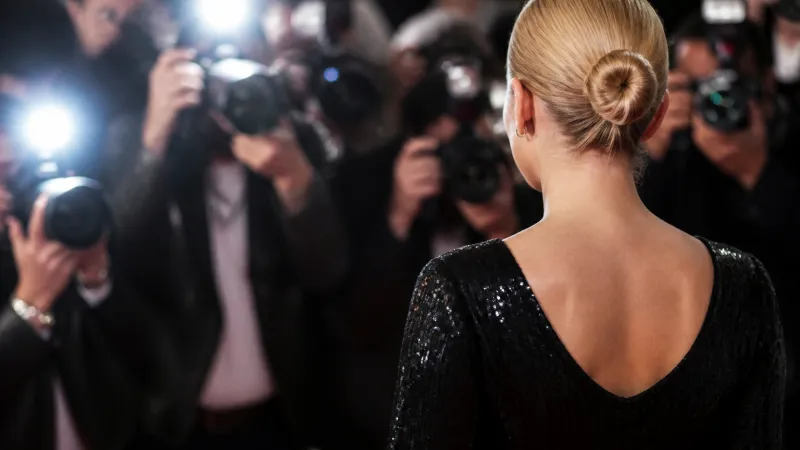
Casting decisions are rarely random. Production teams carefully select a mix of personalities designed to create conflict, chemistry, and compelling storylines. This means a contestant's on-screen identity is partly a product of deliberate planning rather than pure chance.
Producers also guide storylines through editing and sometimes through direct suggestions during filming. While the degree of influence varies by show and network, it is fair to say that most reality personas are a collaboration between the real person and the creative team behind the camera. This dynamic has parallels with how scripted entertainment is shaped behind the scenes, where decisions about talent and direction are made long before an episode reaches viewers.
06
Turning Reality Fame into a Lasting Career
Appearing on a popular show is only the first step. Many reality personalities work to convert their initial exposure into a longer career through brand partnerships, product lines, podcasts, or spin-off shows. This transition requires strategic thinking, often with the help of managers or agents who specialise in guiding new talent.
Monetising this kind of fame frequently involves endorsement deals, where companies pay for a recognisable face to promote their products. Reality stars with strong, relatable personas can be especially effective at this because audiences often feel they know them personally. This is part of a wider pattern explored in the business of celebrity endorsements, where personal connection with an audience translates into commercial value.
07
The Risks and Pitfalls of Reality-Made Fame
Not every reality star manages a smooth transition from television exposure to lasting recognition. Public attention can fade quickly once a show is no longer airing, and the same traits that made someone compelling on camera do not always translate into other areas of entertainment or business.
There is also the challenge of being permanently associated with a single edited version of yourself. Some former contestants spend years trying to distance themselves from an unflattering storyline or persona that producers created during their original season. Successfully moving past this often requires a deliberate celebrity rebrand, repositioning their public image through new projects or a different tone on social media.

08
Reality Stars Compared to Traditionally Trained Celebrities
It can help to see how reality-made fame differs from more traditional paths into the public eye. The table below outlines some of the key contrasts.
| Aspect | Reality TV Celebrities | Traditionally Trained Celebrities |
|---|---|---|
| Path to fame | Appearing on a televised show, often without prior experience | Years of training, auditions, or performances before wide recognition |
| Public persona | Shaped heavily by editing and production choices | Built gradually through roles, interviews, and public appearances |
| Speed of recognition | Can happen within weeks of a show airing | Usually develops over several years |
| Support team | Often assembled after fame begins | Frequently in place before major public exposure, including a full entourage |
| Longevity | Varies widely, dependent on follow-up projects | Often more stable, tied to ongoing body of work |
Neither path guarantees lasting success, but the mechanisms behind each type of fame are genuinely different, and that affects how each group manages public attention over time.
09
Why This Matters for Understanding Celebrity Culture Today
Reality television has permanently expanded who can become famous and how quickly it can happen. This shift has made celebrity culture feel more accessible, since the people appearing on screen are often presented as relatable rather than distant or untouchable.
At the same time, it has made public image management more important than ever. A reality star's career can depend heavily on how well they navigate the gap between their edited television persona and their real personality, a balancing act that shapes much of what readers encounter in celebrity news today.
Frequently Asked Questions
Do reality TV stars count as real celebrities?
Yes, in most practical senses. They are recognised publicly, followed on social media, and often pursued by media outlets, even though their path to fame differs from actors or musicians who trained for their craft over many years.
How long does reality TV fame usually last?
This varies enormously. Some contestants fade from public attention within months, while others build decades-long careers through endorsements, spin-off shows, or business ventures that grew out of their original exposure.
Why do reality shows edit contestants into specific roles?
Editing creates clearer, more engaging storylines for viewers. Casting someone as a particular type, whether that is the peacemaker, the troublemaker, or the romantic lead, makes it easier for audiences to follow the narrative across episodes.
Can reality stars become as famous as traditional celebrities?
Some do reach comparable levels of recognition, particularly if they successfully branch into other areas like music, fashion, or business. However, matching the long-term influence of established entertainers usually requires sustained effort well beyond the original show.
What happens when a reality star wants to change their public image?
They typically work with publicists or managers to reposition themselves through new projects, different media appearances, or a shift in tone on social media. This process takes time and consistent effort, since audiences often hold on to their first impression of a person for years.
Explore
Read next
 Celebrity NewsA close look at how celebrity stories actually break, travel across platforms, and get checked for accuracy before you trust them.Red Carpet & StyleAn inside look at red carpet fashion, the stylists behind it, and how award season turns style into a full spectacle.
 Entertainment IndustryA practical look at the business, management, and image strategies working behind the scenes of every celebrity career.
05
Social Media's Role in Extending Reality Fame
Television exposure might start the process, but social media is often what sustains it. Once a season ends, former contestants can continue building a relationship with their audience directly, without relying on a network or production company.
This direct connection allows reality stars to grow a loyal fanbase that follows them long after their original show has finished airing. Platforms give these personalities a way to share daily life, respond to fans, and keep their public profile active between projects. For a closer look at how this plays out day to day, it helps to understand celebrity social media updates and how they shape ongoing public interest.